
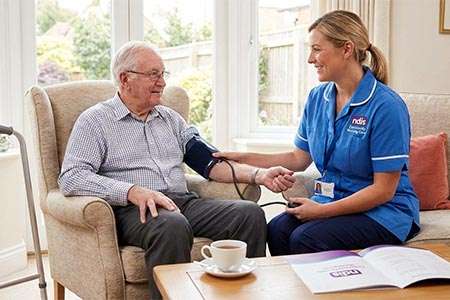
Living with complex health needs should never limit a person’s right to independence, dignity, or quality of life. Under the National Disability Insurance Scheme (NDIS), Community Nursing Care plays a vital role in supporting participants who require skilled clinical care in their own homes and communities.
NDIS community nursing care is more than medical support—it is about empowering participants to live safely, confidently, and comfortably, while maintaining control over their daily lives. Delivered by qualified registered nurses and enrolled nurses, this service ensures participants receive professional healthcare support without unnecessary hospital visits.
At We Empower Disability Services, community nursing is delivered with compassion, clinical excellence, and a participant-first approach—supporting health, independence, and long-term wellbeing.
What Is NDIS Community Nursing Care?
NDIS Community Nursing Care refers to specialised nursing services delivered to NDIS participants in their homes or community settings. These services are designed for individuals with disabilities who have ongoing or complex health needs that require professional nursing support.
Community nursing under the NDIS focuses on:
- Maintaining and improving health
- Preventing complications and hospital admissions
- Supporting safe, independent living
- Educating participants and carers
- Coordinating care with other health professionals
Unlike hospital-based care, community nursing allows participants to receive clinical support in a familiar, comfortable environment, promoting better outcomes and improved quality of life.
Who Is Eligible for NDIS Community Nursing Care?
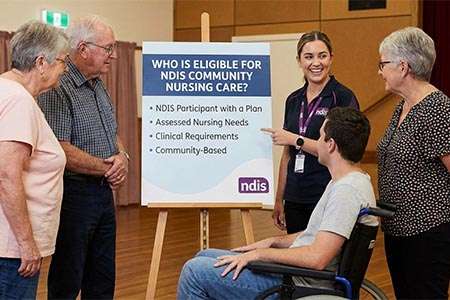
NDIS community nursing care is available to participants whose NDIS plan includes funding for nursing or complex health supports. Eligibility is based on individual needs rather than diagnosis alone.
Participants who may benefit include those who:
- Have complex or chronic health conditions
- Require ongoing medical monitoring
- Need wound or catheter care
- Use feeding tubes or respiratory supports
- Require medication management
- Need continence or stoma care
- Are transitioning from hospital to home
- Live with degenerative or neurological conditions
If nursing supports are considered reasonable and necessary to help a participant live safely and achieve their NDIS goals, they can be included in the plan.
The Role of Community Nurses in NDIS Support
NDIS community nurses play a critical role in ensuring participants receive safe, high-quality clinical care while maintaining independence.
Their responsibilities extend beyond clinical tasks and include:
- Holistic health assessments
- Care planning aligned with NDIS goals
- Risk management and prevention
- Collaboration with allied health professionals
- Education and skill-building for participants and carers
- Advocacy for participant health needs
At We Empower Disability Services, nurses work closely with support coordinators, families, and other providers to ensure continuity of care and positive health outcomes.
Types of NDIS Community Nursing Services
NDIS community nursing care covers a wide range of clinical and health-related supports. Services are always tailored to the participant’s unique needs and goals.
1. Medication Management and Administration
Safe medication use is essential for many participants. Community nurses support with:
- Medication administration
- Dosage monitoring
- Medication reviews
- Education on safe storage and usage
- Monitoring side effects and interactions
This reduces risks and ensures medications are taken correctly and consistently.
2. Wound Care and Pressure Injury Management
Participants with limited mobility or chronic conditions often require professional wound care. Nursing support includes:
- Wound assessment and treatment
- Pressure injury prevention
- Dressing changes
- Infection control
- Ongoing monitoring and documentation
Proper wound care promotes faster healing and prevents serious complications.
3. Continence and Catheter Care
Community nurses provide respectful and professional support for continence needs, including:
- Catheter insertion and care
- Continence assessments
- Bladder and bowel management plans
- Education for participants and carers
These supports improve comfort, dignity, and daily functioning.
4. Enteral Feeding and PEG Tube Care
For participants who require nutritional support through feeding tubes, nurses assist with:
- PEG and NG tube care
- Feeding administration
- Site care and infection prevention
- Monitoring nutritional intake
- Education for carers
This ensures participants receive adequate nutrition safely and comfortably.
5. Diabetes and Chronic Condition Management
Participants living with diabetes or chronic health conditions benefit from ongoing nursing support, including:
- Blood glucose monitoring
- Insulin administration
- Chronic disease education
- Symptom monitoring
- Preventative health strategies
Consistent care helps maintain stability and reduces hospital visits.
6. Post-Hospital and Transitional Care
After hospital discharge, participants may need short-term or ongoing nursing support to recover safely at home. Services include:
- Post-operative care
- Pain management
- Monitoring recovery progress
- Coordination with healthcare teams
- Preventing readmission
Community nursing ensures a smooth transition from hospital to home.
7. Complex Health and High-Intensity Supports
Some participants require advanced clinical care due to complex health needs. NDIS community nursing can include:
- Tracheostomy care
- Ventilator support
- Seizure management
- Palliative or end-of-life care
- Complex medication regimes
These supports are delivered by experienced, qualified nurses following strict clinical guidelines.
How NDIS Community Nursing Care Supports Independence
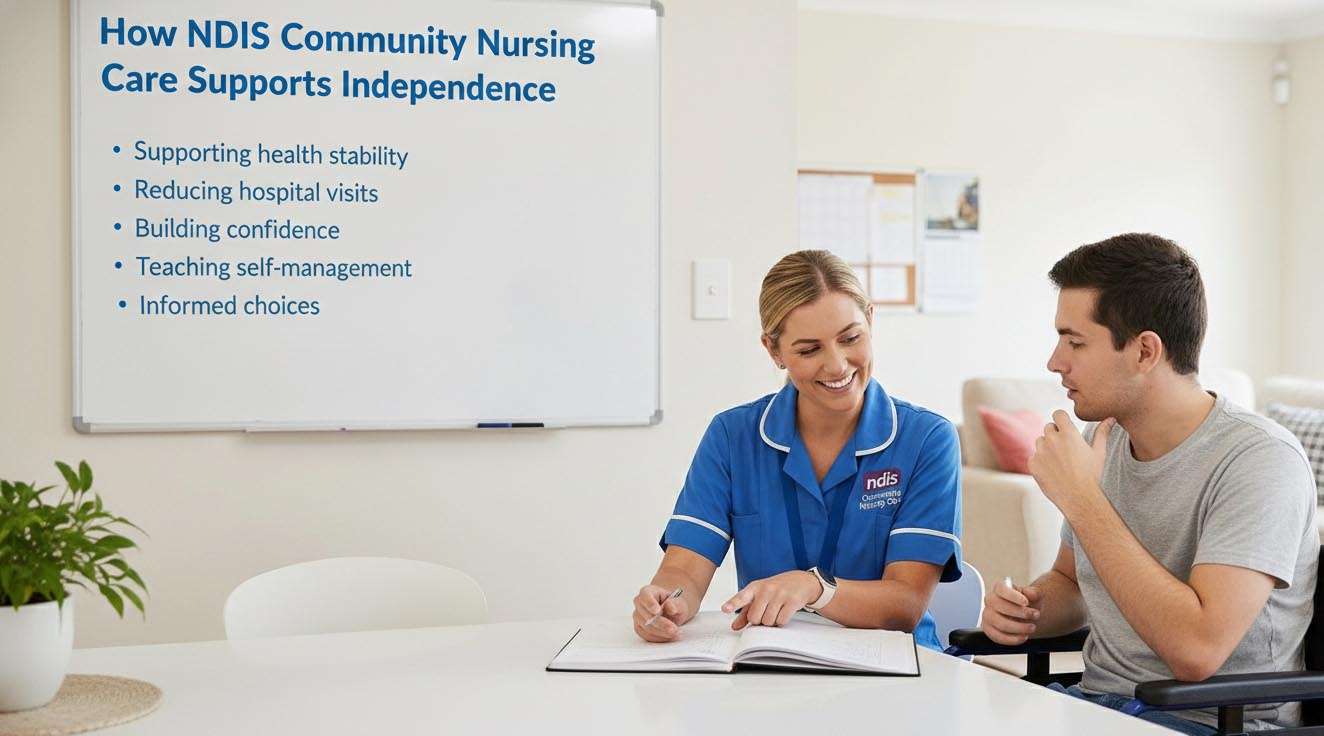
A key goal of the NDIS is to support people with disabilities to live as independently as possible. Community nursing plays a vital role in achieving this by:
- Supporting health stability
- Reducing reliance on hospitals
- Building participant confidence
- Teaching self-management skills
- Supporting informed decision-making
Rather than taking control away, quality nursing care empowers participants to manage their health safely within their daily lives.
Community Nursing Care at We Empower Disability Services
At We Empower Disability Services, NDIS community nursing care is delivered with a strong focus on respect, dignity, and personalised support.
What Sets Our Nursing Care Apart?
- Qualified, experienced nurses trained in NDIS standards
- Person-centred care plans aligned with participant goals
- Flexible service delivery at home or in the community
- Strong communication with families and support teams
- Cultural sensitivity and inclusivity
- Commitment to safety and quality care
We understand that every participant’s needs are different. Our nursing services are designed to adapt as needs change, ensuring long-term health and wellbeing.
Integrating Community Nursing With Other NDIS Supports
NDIS community nursing works best when integrated with other supports, such as:
- Support Coordination
- Personal Care and Daily Living Assistance
- Allied Health Services
- Supported Independent Living (SIL)
- Community Participation Supports
We Empower Disability Services takes a holistic approach, ensuring nursing care complements other services rather than working in isolation.
How Community Nursing Is Funded Under the NDIS
NDIS community nursing care is typically funded under:
- Core Supports (Assistance with Daily Living – when related to health tasks)
- Capacity Building Supports (Improved Daily Living – for skill development)
- High-Intensity Supports (for complex health needs)
Funding depends on individual circumstances, medical evidence, and NDIS planning outcomes. Support coordinators can help ensure nursing needs are correctly included in a participant’s plan.
The Importance of Choosing the Right NDIS Community Nursing Provider
Choosing the right provider is essential for safety, comfort, and outcomes. A quality NDIS community nursing provider should offer:
- Registered and qualified nurses
- Clear communication and transparency
- Experience with complex needs
- Strong understanding of NDIS requirements
- Person-centred care approaches
- Reliability and consistency
We Empower Disability Services meets these standards by combining clinical expertise with compassionate care.
Benefits of Community-Based Nursing Care
NDIS community nursing care offers many advantages over institutional care, including:
- Care delivered in familiar surroundings
- Reduced hospital visits
- Improved emotional wellbeing
- Greater flexibility and choice
- Stronger relationships with care providers
- Enhanced independence and confidence
For many participants, community nursing is the foundation of safe, supported living.
Frequently Asked Questions About NDIS Community Nursing Care
Is community nursing available 24/7?
Yes, depending on funding and needs, nursing support can be arranged during the day, overnight, or on-call.
Can nursing care be short-term?
Yes. Community nursing can be short-term (post-hospital care) or ongoing for long-term conditions.
Do I need a referral?
Medical evidence is usually required, but your support coordinator can help organise this.
Can nursing care change over time?
Absolutely. Supports can be adjusted as health needs evolve.
Empowering Health, Choice, and Independence
NDIS community nursing care is not just about managing health conditions—it is about supporting people to live their lives with confidence, dignity, and control.
With the right nursing support, participants can remain in their homes, stay connected to their communities, and focus on what matters most to them.
At We Empower Disability Services, we are committed to delivering high-quality NDIS community nursing care that truly empowers participants—today and into the future.