
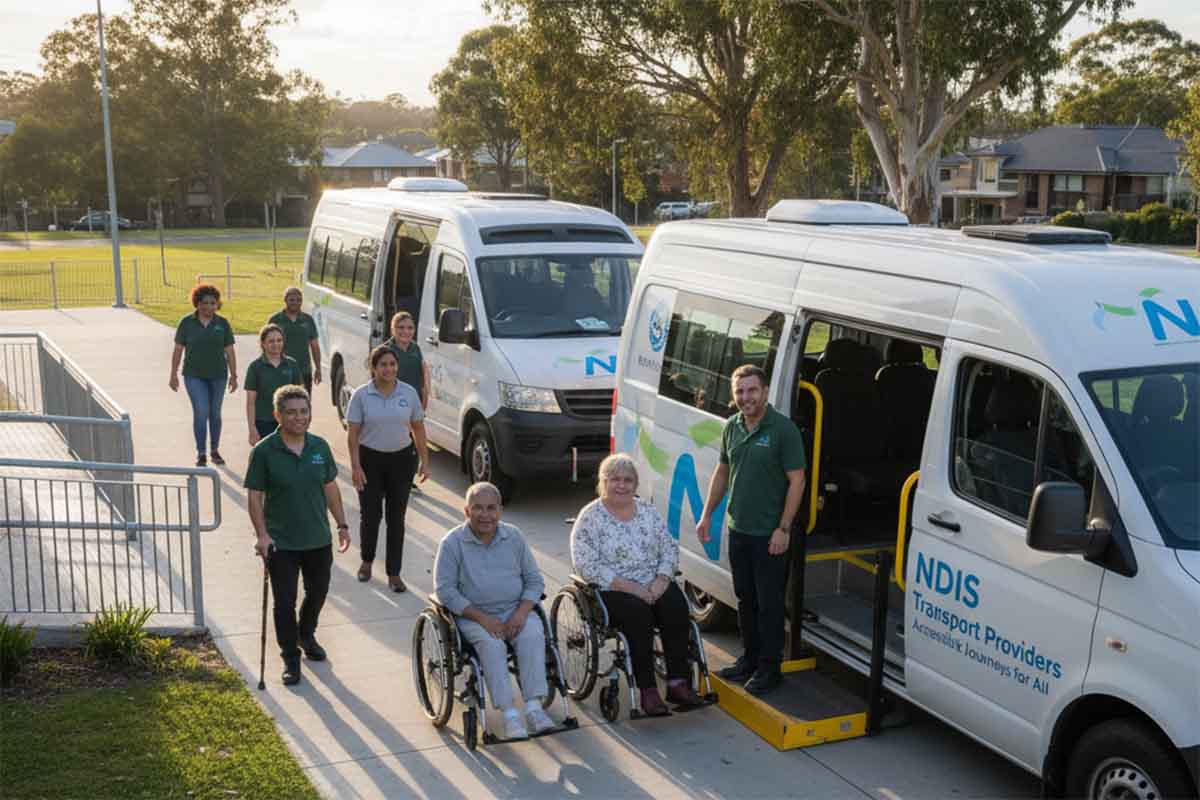
NDIS transport providers help participants travel safely to work, school, medical appointments, community events, and daily activities. These services support people who cannot use public transport due to disability. NDIS funding may cover transport assistance under several support categories. Choosing the right provider ensures reliable travel, independence, and greater participation in the community.
Key points:
-
NDIS transport providers help participants travel safely
-
Transport may include medical trips, work travel, and social outings
-
Funding depends on the participant’s NDIS plan
-
Providers may offer accessible vehicles and trained support staff
-
Reliable transport improves independence and community participation
Table of Contents
ToggleWhat Are NDIS Transport Providers?
NDIS transport providers are organisations or support workers that help NDIS participants travel to important places such as medical appointments, workplaces, education centres, and community activities. These services are designed for individuals who cannot use public transport due to their disability and require safe, accessible travel options.
NDIS transport services are an important part of the National Disability Insurance Scheme (NDIS) in Australia. They ensure participants can remain independent and actively involved in their communities.
Transport providers may offer:
-
Door-to-door transport services
-
Wheelchair accessible vehicles
-
Support workers to accompany participants
-
Flexible travel scheduling
-
Assistance with community participation
These services help reduce isolation and improve quality of life.
Why NDIS Transport Services Are Important
Many people with disabilities face challenges when travelling independently. Public transport may not always be accessible, reliable, or safe for everyone.
NDIS transport providers help solve these problems.
Key Benefits
-
Improved independence
-
Access to education and employment
-
Ability to attend medical appointments
-
Participation in social and community events
-
Reduced reliance on family members
Reliable transport allows participants to live more independent lives.
Types of NDIS Transport Services
NDIS transport providers may offer several types of services depending on participant needs.
1. Daily Activity Transport
Participants may need transport for:
-
Shopping
-
Personal appointments
-
Visiting family
-
Community programs
This service ensures participants can manage everyday activities.
2. Medical Appointment Transport
Many participants require regular healthcare visits.
Transport providers help with trips to:
-
Hospitals
-
Specialist appointments
-
Therapy sessions
-
Rehabilitation centres
Accessible vehicles and trained staff ensure safe travel.
3. Employment and Education Transport
NDIS transport funding may support travel to:
-
Workplaces
-
Job training programs
-
Universities
-
TAFE colleges
-
Schools
This helps participants maintain employment and education opportunities.
4. Community Participation Transport
Transport providers also support social and recreational activities such as:
-
Community events
-
Social gatherings
-
Volunteer programs
-
Sports activities
-
Day programs
These services promote social inclusion and wellbeing.
5. Accessible Vehicle Transport
Some providers offer specially designed vehicles including:
-
Wheelchair accessible vans
-
Modified vehicles
-
Vehicles with safety restraints
-
Vehicles with lifting equipment
These vehicles ensure safe travel for people with mobility challenges.
Who Can Access NDIS Transport Services?
NDIS participants can access transport services if their disability makes it difficult to use public transport independently. Transport support must be included in the participant’s NDIS plan. Funding levels depend on individual needs, goals, and the type of activities the participant needs to attend.
Participants who may qualify include:
-
People with mobility impairments
-
Individuals with cognitive disabilities
-
Participants with sensory disabilities
-
People requiring support workers for travel
Eligibility is determined during the NDIS planning process.
NDIS Transport Funding Levels
NDIS transport funding is usually provided under Core Supports or Capacity Building supports.
Transport Funding Levels Table
| Funding Level | Description | Typical Annual Amount |
|---|---|---|
| Level 1 | Basic support for community participation | Around $1,600 |
| Level 2 | Increased travel for work or education | Around $2,400 |
| Level 3 | High support for employment or training | Around $3,400 |
Actual funding varies depending on participant needs.
How to Choose the Best NDIS Transport Provider
Choosing the right provider is important for safety and reliability.
Key Factors to Consider
-
Experience with disability transport
-
Accessible vehicles available
-
Qualified and trained staff
-
Flexible scheduling
-
Safety policies and insurance
-
Good participant reviews
Questions to Ask Providers
Before selecting a provider, ask:
-
Are your drivers trained to support people with disabilities?
-
Do you provide wheelchair accessible vehicles?
-
What areas do you service?
-
Can you support regular bookings?
-
Do you offer door-to-door transport?
These questions help ensure the provider meets your needs.
How to Book NDIS Transport Services
Booking transport through an NDIS provider is usually simple.
Step-by-Step Process
-
Check your NDIS plan for transport funding
-
Contact a registered or non-registered provider
-
Discuss travel requirements and schedule
-
Confirm availability and pricing
-
Book regular or one-time transport services
Participants with plan managers or support coordinators can also request help arranging transport.
Real-World Example
Consider this scenario:
Sarah lives in Melbourne and has mobility challenges due to a spinal condition. She cannot safely use public transport.
Her NDIS plan includes transport funding.
With the help of an NDIS transport provider, Sarah now travels to:
-
Work three days a week
-
Physiotherapy sessions
-
Community art classes
Reliable transport has helped her maintain independence and social connections.
Pros and Cons of NDIS Transport Providers
Advantages
-
Safe travel for participants
-
Accessible vehicles available
-
Flexible travel schedules
-
Support workers available if needed
-
Helps participants stay independent
Disadvantages
-
Availability may vary by location
-
Scheduling may require advance booking
-
Funding limits may apply
-
Some providers may have waiting lists
Understanding these factors helps participants choose the best service.
Common Mistakes When Choosing Transport Providers
Many participants make simple mistakes when selecting providers.
Avoid These Mistakes
-
Choosing providers without accessibility vehicles
-
Not confirming driver training
-
Ignoring service area coverage
-
Not checking insurance and safety policies
-
Booking services without confirming NDIS funding
Careful planning ensures reliable transport support.
Tips for Getting the Most From NDIS Transport Support
Participants can maximise transport benefits by following a few strategies.
Practical Tips
-
Schedule recurring trips in advance
-
Combine appointments when possible
-
Keep track of transport funding usage
-
Communicate special travel needs clearly
-
Work with a support coordinator if needed
Planning ahead ensures efficient use of funding.
The Future of NDIS Transport Services
NDIS transport services continue to improve across Australia.
Future improvements may include:
-
More accessible vehicle fleets
-
Digital booking platforms
-
GPS tracking for safety
-
Better regional coverage
-
Improved driver training
These developments will help create more inclusive transport options.
NDIS Transport Providers - FAQs
NDIS transport providers help participants travel safely to appointments, work, school, and community activities when public transport is not suitable.
Yes. NDIS may provide transport funding if a participant cannot travel independently due to their disability.
In some cases, family members may provide transport if approved in the NDIS plan.
Many providers offer wheelchair accessible vehicles designed for safe and comfortable travel.
Participants can contact transport providers directly or ask their support coordinator for assistance.
Yes. NDIS participants can select registered or non-registered providers depending on how their plan is managed.
Some providers operate in regional and rural areas, but availability may vary depending on location.
Yes. Some providers offer support workers who can accompany participants during travel and activities.
Usage depends on the funding available in your NDIS plan.
Participants may need to review their plan or discuss additional support during the next NDIS plan review.
Yes. Transport can be used for community participation and social events if included in the participant’s goals.
Some providers offer flexible schedules including evenings and weekends.
Final Takeaway
NDIS transport providers play a vital role in helping people with disabilities live independent and fulfilling lives. These services provide safe, accessible travel to work, education, healthcare, and community activities.
Choosing the right provider ensures reliability, comfort, and safety. Participants should review their NDIS plan, compare providers carefully, and plan transport schedules in advance.
With the right transport support, NDIS participants can stay connected to their communities and achieve their personal goals.