
Quick Answer
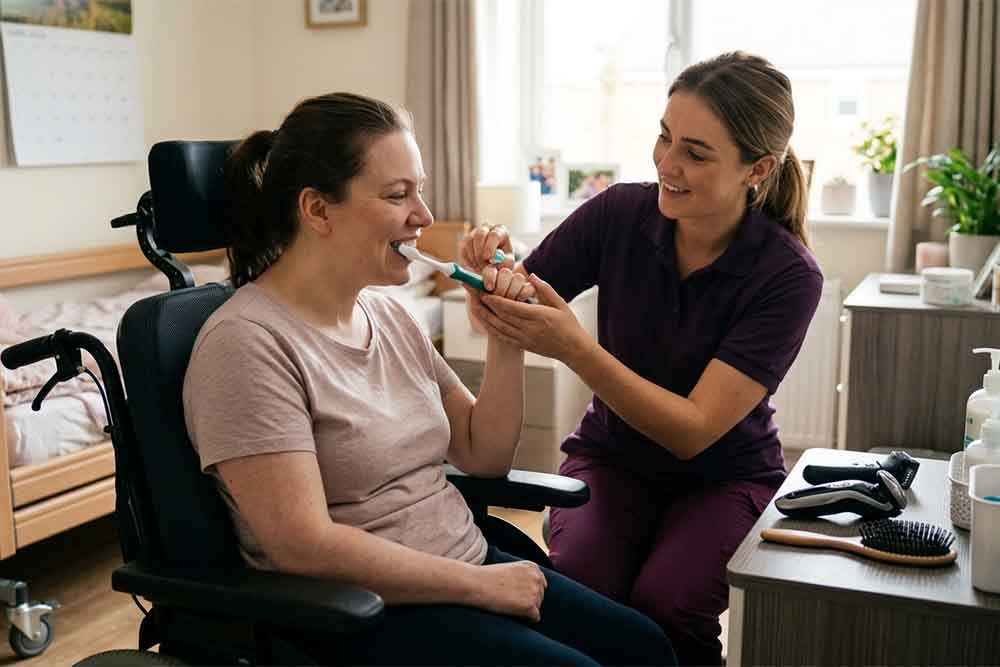
Personal care disability services help individuals manage everyday routines when they are unable to do so independently. This includes support with hygiene, dressing, mobility, and basic daily tasks. These services are delivered through NDIS or private providers and are tailored to improve comfort, independence, and overall wellbeing across home and community environments.
Introduction
For many people living with disabilities, simple daily tasks can become challenging without the right support. Personal care disability services are designed to provide practical assistance with essential activities, ensuring individuals can maintain dignity, safety, and a better quality of life.
In Australia, access to these supports is often funded through the NDIS, making personalised care more accessible. Whether provided at home or in community settings, these services empower individuals to live more independently and stay actively involved in their daily lives.
What Is Personal Care Disability?
Personal care disability refers to support services that help individuals with disabilities perform daily activities such as bathing, dressing, toileting, and grooming. These services aim to improve independence, safety, and quality of life by providing assistance tailored to each person’s needs, either at home or in community settings.
Types of Personal Care Disability Services
There are different types of personal care services depending on the individual’s needs:
1. In-Home Personal Care
- Assistance with bathing and hygiene
- Dressing and grooming support
- Meal preparation
- Medication reminders
2. Community-Based Support
- Help with attending appointments
- Social participation
- Shopping assistance
3. Supported Independent Living (SIL)
- 24/7 care in shared or individual housing
- Daily routine support
- Safety monitoring
4. Clinical Personal Care
- Wound care
- Mobility assistance
- Health monitoring
Who Needs Personal Care Disability Support?
Personal care services are designed for individuals who:
- Have physical disabilities
- Live with intellectual disabilities
- Experience mobility limitations
- Need assistance due to aging
- Require support after injury or illness
Key Benefits of Personal Care Disability Services
1. Increased Independence
Individuals can perform daily tasks with support, not complete dependence.
2. Improved Quality of Life
Better hygiene, comfort, and emotional wellbeing.
3. Safety and Health Monitoring
Reduces risks like falls, infections, or medication errors.
4. Family Relief
Reduces caregiving stress for family members.
How Personal Care Services Work (Step-by-Step)
Step 1: Assessment
A professional evaluates the individual’s needs.
Step 2: Care Plan Development
A personalized plan is created based on goals and requirements.
Step 3: Service Matching
A caregiver or support worker is assigned.
Step 4: Ongoing Support
Regular care with updates and adjustments.
Personal Care Disability Services Under NDIS
Under the NDIS, personal care disability services are funded as part of Core Supports, helping participants with daily activities like bathing, dressing, and meal preparation. The goal is to promote independence and improve quality of life by providing flexible, personalised care based on individual needs and goals.
What Is Included in Personal Care Support?
| Service Type | Examples |
|---|---|
| Hygiene Support | Bathing, grooming, toileting |
| Mobility Assistance | Walking, transfers, wheelchair help |
| Daily Living Tasks | Dressing, eating, cooking |
| Health Support | Medication reminders, monitoring |
| Household Tasks | Cleaning, laundry |
How to Choose the Right Personal Care Provider
Look for:
- Registered and certified providers
- Experienced support workers
- Flexible care plans
- Positive reviews and testimonials
Ask Questions:
- Do they provide 24/7 support?
- Are services personalised?
- What is their response time?
Real-World Example
Sarah, a 32-year-old with mobility challenges, receives daily personal care support. Her caregiver helps her with morning hygiene, meal preparation, and attending appointments. With this support, Sarah now lives independently and actively participates in her community.
Pros and Cons of Personal Care Disability Services
Pros:
- Improves independence
- Enhances safety
- Provides emotional support
- Reduces family burden
Cons:
- Can be costly without funding
- Quality depends on provider
- Adjustment period required
Common Mistakes to Avoid
- Choosing providers without checking reviews
- Not creating a clear care plan
- Ignoring compatibility with caregivers
- Focusing only on cost instead of quality
- Not reviewing services regularly
Actionable Tips for Better Care
- Start with a professional assessment
- Choose flexible service providers
- Regularly review care plans
- Maintain clear communication
- Use NDIS funding effectively
FAQs
1. What are personal care disability services?
Personal care disability services provide help with daily tasks such as bathing, dressing, grooming, and mobility for individuals with disabilities.
2. Who can access personal care support?
People with physical, intellectual, or mental health conditions who need assistance with daily living activities can access these services.
3. Is personal care covered by the NDIS?
Yes, personal care is usually funded under NDIS Core Supports for eligible participants to help with everyday activities.
4. Can personal care be provided at home?
Yes, most personal care services are delivered at home, but they can also be provided in community or supported living settings.
5. How do I choose the right personal care provider?
Look for experienced, registered providers with good reviews, flexible services, and personalised care plans that match your needs.
Final Takeaway
Personal care disability services are essential for improving independence, dignity, and quality of life. Whether through NDIS or private providers, choosing the right support can make a significant difference in daily living.
By understanding your needs, selecting the right provider, and maintaining a clear care plan, you can ensure safe, effective, and empowering support for yourself or your loved ones.